Cross Stitch Rose Embroidery Pattern Review
As an embroidery designer who has spent years digitizing and reviewing patterns for commercial use, I approach every new digital embroidery file with a critical eye. It is not enough for a design to look pretty on a screen; it must perform flawlessly under the needle, withstand industrial washing, and elevate the brand identity of the business using it. Today, I am reviewing the Cross Stitch Rose Embroidery Pattern, a piece from the Single Flowers Plants category that promises sublime artistry for home decor and beyond. But does it hold up for small business merchandise? Let’s dive into the details.
First Impressions: Visual Personality and Style
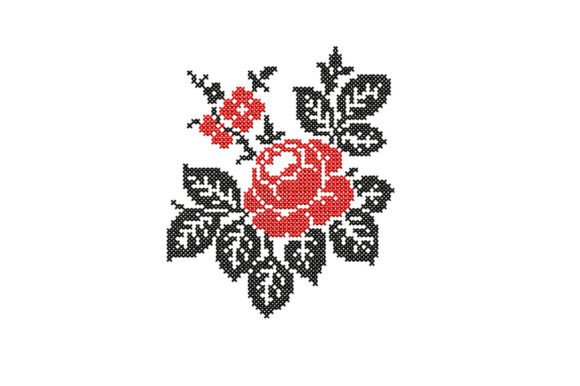
The moment I loaded the preview of the Cross Stitch Rose Embroidery Pattern, the aesthetic struck me as distinctly rustic yet refined. Unlike sleek, modern vector logos, this design leans heavily into the handmade, artisanal vibe. The cross-stitch simulation gives it a textured, nostalgic feel that resonates deeply with current consumer trends favoring authenticity. For boutique owners, bakeries, and florists, this visual personality is gold. It feels friendly, elegant, and decorative without being overly busy.
However, "cross stitch" in machine embroidery is a tricky balance. If the digitizing is poor, it can look pixelated or messy. In this review, I am evaluating whether the pattern maintains its integrity when scaled for various design assets. The description notes it is offered in two delightfully diverse sizes, which is a crucial feature for versatility. This suggests the designer has considered different applications, from larger tote bag centers to smaller accent pieces.
Real-World Business Applications
For small business owners, the utility of an embroidery file is defined by its adaptability. Here is how I envision the Cross Stitch Rose Embroidery Pattern performing in real commercial scenarios:
- Embroidered Patches: This is perhaps the strongest use case. A rose motif works beautifully as an iron-on or sew-on patch for denim jackets, canvas bags, or laptop sleeves. The organic shape of the flower allows for creative border treatments, such as a scalloped edge or a simple satin stitch border.
- Apron Embroidery: For cafes, florists, and craft studios, branded aprons are essential. Placing this rose on the chest pocket or the lower corner of a canvas apron adds a touch of professionalism and warmth. It signals to customers that the staff cares about details.
- Tote Bag Design: Canvas totes are a staple of small business merch. The rustic charm of this pattern complements natural fabrics perfectly. It serves as an ideal inclusion to the intricacy of home decor, enhancing your kitc hen or living space, but also making for a stylish everyday carry item.
- Cap Embroidery: While possible, this requires caution. A rose design can work on the side panel of a dad hat or beanie, offering a subtle brand accent rather than a loud front logo.
- Product Packaging Accents: Imagine this design embroidered on a small fabric tag attached to handmade soaps, candles, or baked goods. It elevates the perceived value of the handmade product instantly.
Technical Considerations for Production
Before running this design on your commercial machines, there are several technical factors to address. As a designer, I always advise testing the stitch density first. Cross-stitch styles often rely on a grid-like structure. If the density is too high, it can cause puckering, especially on lighter fabrics like cotton poplin or linen. Conversely, if the density is too low, the fabric may show through, breaking the illusion of the cross-stitch effect.
Fabric texture plays a significant role here. This design will shine on stable, woven fabrics like canvas, denim, or twill. It may struggle on stretchy knits or slippery synthetics unless proper stabilization is used. Speaking of which, always use a cut-away stabilizer for garments that will undergo frequent washing, such as staff uniforms or customer apparel. For patches, a tear-away might suffice during production, but the final product needs durability.
Another critical point is the hoop size. Since the product description mentions two sizes, ensure you know the dimensions of each. If the larger size exceeds your standard hoop, you may need to re-digitize or split the design, which is not ideal for efficiency. Always confirm the exact dimensions before committing to a production run.
Brand Identity and Customer Trust
Why choose this specific rose over a generic clipart image? The answer lies in brand identity. Using a specialized machine embroidery design signals effort and quality. When customers see a well-executed embroidered rose on a tote bag or apron, they associate that craftsmanship with the brand itself. It builds trust and recognition.
For Etsy sellers and craft businesses, consistency is key. If your brand voice is warm, inviting, and artisanal, the Cross Stitch Rose Embroidery Pattern aligns perfectly. It enhances visual consistency across your product line. Whether it is on a uniform, a gift with purchase, or a main product, the design reinforces the narrative of care and quality. This emotional connection drives buyer engagement and can justify a higher price point for your custom apparel or accessories.
Where to Use Caution
While versatile, this design is not a one-size-fits-all solution. Avoid using it on dark uniforms if the thread colors do not have sufficient contrast. A muted rose on a navy blue shirt might disappear. Always create a printable mockup to check color visibility before stitching.
Additionally, be wary of using this on items that require extreme durability, such as heavy-duty workwear, unless you test the washability thoroughly. The intricate nature of cross-stitch simulation can sometimes unravel or fray if the thread tension is not perfect or if the fabric is subjected to harsh industrial laundering. Also, avoid placing it on curved surfaces like the front center of a structured cap unless the design is small enough to lay flat without distortion.
Practical Designer Notes for Implementation
- Test in Black and White: Before choosing thread colors, stitch out the design in black thread on white fabric. This helps you evaluate the clarity of the shape and the balance of the stitch density without the distraction of color.
- Check Small Patch Size Viability: If you plan to use the smaller version for tags or small patches, ensure the details do not merge together. Fine details can get lost at small scales.
- Review Thread Color Contrast: Select thread colors that mimic traditional cross-stitch floss for authenticity, or go bold for a modern twist. Ensure there is enough contrast between the petals, leaves, and background.
- Inspect Spacing and Hoop Size: Confirm that the design fits comfortably within your hoop with adequate margin for clamping. Check the spacing between elements to prevent thread breaks.
- Test on Real Fabric: Never rely solely on digital simulations. Stitch a sample on the actual fabric you intend to use for your finished product.
- Use Proper Stabilizer: Match the stabilizer to the fabric weight. Heavy fabrics may need less support, while light linens need robust stabilization to prevent puckering.
- Create a Mockup for Client Approval: If you are doing commercial embroidery for a client, provide a digital mockup showing the design on their specific garment or product. This manages expectations and reduces revisions.
- Confirm Commercial Licensing: This is vital. Before selling any items made with the Cross Stitch Rose Embroidery Pattern, verify the license terms. Ensure you have the right to use the digital embroidery file for physical goods sold for profit.
In conclusion, the Cross Stitch Rose Embroidery Pattern is a strong contender for small business merchandise, particularly for brands leaning into the handmade, rustic, or botanical aesthetic. With careful attention to technical details like stabilizer choice and thread contrast, it can become a signature element of your brand identity. Always prioritize testing and licensing compliance to ensure your embroidered patch or apparel line succeeds in the marketplace.