Elegant Floral Motif: A Designer’s Real-World Review
As a designer who spends more time staring at stitch maps than finished garments, I have learned to look past the glossy preview images. We all know that what looks perfect on a screen can sometimes turn into a tangled mess of thread breaks and puckering on actual fabric. When I first loaded the Elegant Floral Motif into my embroidery software, my initial reaction was one of cautious optimism. The silhouette is clean, avoiding the overly complex density that plagues so many modern digital files. But does it hold up under the needle? After running several test hoops and integrating it into a recent client project, I am ready to share my honest assessment of how this design performs in a real-world studio environment.
First Impressions and Visual Personality
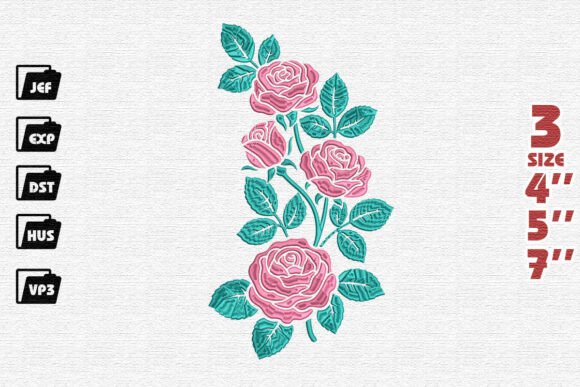
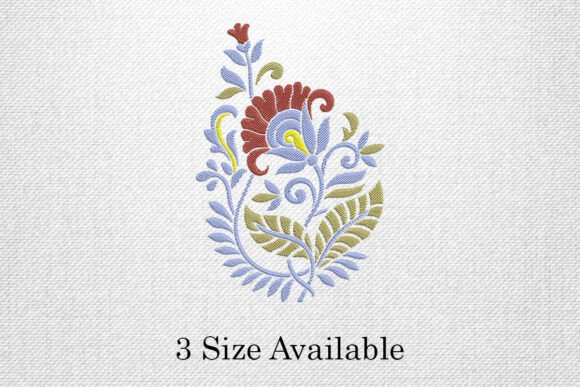
The immediate appeal of the Elegant Floral Motif lies in its balance. It sits comfortably within the Wedding Flowers category, yet it possesses a versatility that extends far beyond bridal wear. The layout feels organic rather than rigid, with petals and leaves that flow naturally. For an embroidery designer, this is crucial. Stiff, geometric floral patterns often look artificial when stitched out, but this motif retains a softness that mimics hand-drawn botanical illustrations.
The detail level is moderate. It is not so sparse that it looks unfinished, nor so dense that it turns a lightweight cotton tote into a cardboard shield. This middle ground is where most successful handmade products live. It suggests refinement without screaming for attention, making it an ideal candidate for customers who want subtle elegance rather than loud branding. When I visualized this as part of a broader collection of design assets, I could immediately see it working for spring collections, boutique branding, and high-end personalized gifts.
Real-World Application: The Tote Bag Test
To truly evaluate an embroidery file, you must put it on a challenging surface. I chose a natural canvas tote bag for my primary test. Canvas is forgiving, but it also highlights issues with registration and pull compensation. I paired the Elegant Floral Motif with a classic serif font for a local bookstore’s promotional merchandise. The result was striking. The floral element softened the starkness of the text, creating a cohesive tote bag design that felt curated rather than mass-produced.
This specific application highlights why this design is valuable for Etsy sellers and small shop owners. It serves as an excellent anchor piece. Because the motif is self-contained, it does not require extensive background filling, which saves on thread costs and machine time. For a craft business operating on thin margins, efficiency is just as important as aesthetics. The design stitched out cleanly, with minimal jump stitches visible on the back, which is a significant plus if you are finishing items that might be seen from the inside, such as unlined bags or sheer overlays.
Fabric Compatibility and Stitching Behavior
One of the most critical aspects of any machine embroidery design is how it interacts with different textiles. I tested the motif on three distinct fabrics: a heavy French terry for a sweatshirt, a crisp poplin for a baby onesie, and a textured linen for a kitchen towel.
On the sweatshirt embroidery test, the design performed admirably. The stitch density appeared sufficient to prevent the pile of the terry cloth from swallowing the details. However, I did notice that on darker fabrics, the contrast between the thread colors and the background became paramount. I recommend using a high-sheen rayon or polyester thread to catch the light, ensuring the floral details remain visible. For the baby embroidery application, the softness of the design was a major asset. Parents often prefer gentle, flowing lines over sharp angles for infant items, and this motif delivers that soothing aesthetic perfectly.
The linen test revealed the importance of proper stabilization. Because the design utilizes a mix of satin stitch borders and fill stitch interiors, it has some inherent pull. On a loose-weave fabric like linen, using a cut-away stabilizer is non-negotiable. If you attempt this on a tear-away alone, you risk distorting the shape after washing. This is a common pitfall for hobbyists, so I always advise checking your stabilizer choice against the fabric texture before committing to a final product.
Commercial Viability and Brand Consistency
For those running a commercial embroidery operation or selling digital embroidery files, consistency is key. The Elegant Floral Motif offers a reliable baseline for brand identity. It is sophisticated enough to justify a higher price point on custom apparel but accessible enough for seasonal promotions. I can easily imagine this being used for holiday embroidery projects, particularly for Mother’s Day or spring-themed launches.
When creating printable mockups for your online store, this design photographs well. Its clear lines translate effectively into digital previews, helping potential buyers visualize the finished product. This reduces the likelihood of returns due to "expectation vs. reality" mismatches. Furthermore, because it fits neatly into standard hoop sizes, it minimizes the need for re-digitizing or resizing, which can often degrade quality. Always verify the recommended hoop size in the file documentation, but generally, this motif is compact enough for 4x4 or 5x7 hoops, making it versatile for caps and patches as well.
Practical Designer Notes and Caveats
While I am impressed with the overall quality, there are areas where caution is warranted. If you plan to use this on stretchy fabrics like jersey knits for custom apparel, ensure you are using a ballpoint needle and appropriate stabilizer to prevent puckering. Additionally, while the design is labeled under Wedding Flowers, do not assume it is limited to white or ivory threads. Experimenting with monochromatic schemes—such as navy thread on a navy shirt—can create a subtle, tonal effect that appeals to a more modern demographic.
Before selling any items featuring this embroidery project, always double-check the licensing terms. Some designers allow personal use only, while others permit commercial sales of finished goods. Assuming permission can lead to legal issues down the line. Also, if you are creating an embroidered patch, consider adding a merrowed border or satin edge around the motif to prevent fraying, as the design itself does not appear to have a built-in containment border for cut-out applications.
Final Verdict
The Elegant Floral Motif is a solid addition to any designer’s library. It bridges the gap between decorative flair and practical stitchability. It is not just a pretty picture; it is a functional tool for creating high-value small shop products. Whether you are digitizing your own variations, selling personalized gifts, or outfitting a boutique, this design offers the reliability and aesthetic appeal necessary for professional results. Just remember to respect the fabric, choose your stabilizer wisely, and let the natural beauty of the stitch work speak for itself.