MINI Daisy Embroidery Design: A Craft Fair Review
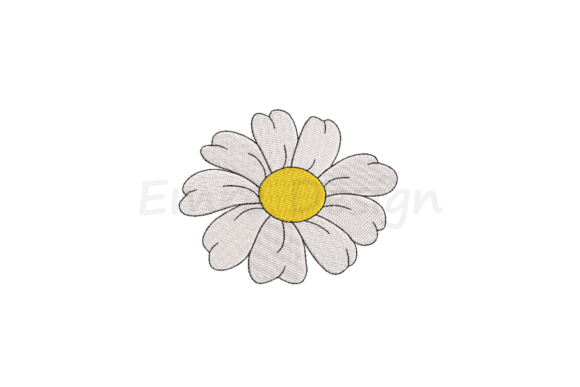
As an embroidery designer who has spent countless weekends behind a booth table, I know that the difference between a browser and a buyer often comes down to immediate visual impact. When I first loaded the MINI Daisy Embroidery Design into my software, my initial reaction was one of relief mixed with excitement. In a market saturated with overly complex, dense motifs, this design offers a breath of fresh air. It falls squarely into the Single Flowers Plants category, but it does so with a whimsical charm that feels both modern and timeless. For those of us running small shop products or looking for the perfect craft fair product, this digital embroidery file represents a versatile asset that balances speed of production with high perceived value.
First Impressions: Whimsy Meets Practicality
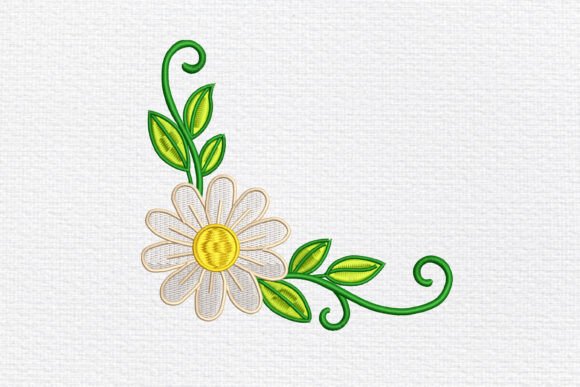
The description promises to "spruce up your fabrics," and I found this to be an accurate assessment. The design does not try to be everything to everyone. Instead, it leans into a cute, soft aesthetic that appeals to a wide demographic. Whether you are targeting farmhouse enthusiasts, modern minimalists, or parents looking for personalized gifts, the MINI Daisy Embroidery Design fits seamlessly. It is not overly rustic, nor is it strictly elegant; it sits comfortably in a "friendly handmade" zone. This is crucial for booth display strength because it allows the item to speak for itself without requiring a lengthy explanation to the customer.
From a production standpoint, the simplicity of the design suggests it is highly repeatable. For an Etsy seller or a boutique maker, repeatability is key to profitability. You are not spending hours trimming endless jump stitches or worrying about complex color changes that might break thread frequently. This makes it an ideal candidate for batch production, allowing you to stock up on best-sellers before a busy holiday market season.
Product Applications and Visual Appeal
I tested the MINI Daisy Embroidery Design across several common handmade items to see where it truly shines. Here is how it performed on various substrates:
- Tote Bag Design: This is perhaps the strongest application. Placed on the corner of a canvas tote, the daisy acts as a subtle branding element or a sweet accent. It transforms a plain bag into a giftable item instantly.
- Apron Embroidery: On a bib apron, the design works beautifully as a focal point near the pocket or chest area. It adds personality to kitchenware without overwhelming the utility of the garment.
- Tea Towel Embroidery: Kitchen textiles are huge sellers at craft fairs. The design scales well for towels, offering a charming touch that feels premium yet approachable. However, pay attention to the fabric texture; thicker waffle weaves may require adjustments.
- Embroidered Patch: If you are selling patches, this design is perfect. Its clear outlines and distinct shapes make it easy to cut and apply. It stands out on denim jackets and backpacks.
- Caps and Hats: While possible, curved surfaces are tricky. Ensure your stabilizer is robust enough to prevent puckering, as the stitch density needs to be balanced against the curved cap surface.
Beyond these items, consider using it on pillow covers, market bags, and small fabric pouches. The versatility of this Embroidery design means you can create a cohesive collection for your booth. When customers see the same motif on different items, it reinforces brand consistency and encourages multiple purchases.
Production Notes and Careful Use
While the MINI Daisy Embroidery Design is user-friendly, there are technical considerations every machine embroiderer must address. First, always check the stitch density. Even simple designs can have areas where stitches cluster, potentially causing puckering on lightweight fabrics. I recommend testing the design on scrap fabric that matches the weight and weave of your final product. This is non-negotiable for maintaining professional quality.
Thread colors play a significant role in the final look. Because the design is small, high contrast is essential. If you are stitching on dark fabric, ensure your thread colors pop. Conversely, on light fabrics, subtle tonal variations can create a sophisticated, understated look. Always review spacing and confirm hoop size compatibility before starting a large batch. Running out of bobbin thread mid-design on a finished product is a costly mistake.
Another critical factor is the stabilizer. For textured towels or stretchy t-shirts, the right stabilizer will make or break the result. Cut-away stabilizers are generally safer for items that will be washed frequently, while tear-away might suffice for decorative pillows that see less wear. Do not skip this step, especially if you are aiming for a premium feel.
Marketing and Online Presence
For digital sellers and Etsy sellers, the visual appeal of the MINI Daisy Embroidery Design extends beyond the physical stitch. It photographs exceptionally well. The clean lines and recognizable shape make it ideal for printable mockup creation. You can easily showcase the design on various backgrounds in your online listings, helping customers visualize the finished product in their own homes.
When creating your Etsy listings or social media content, highlight the versatility of the design. Show it on a tote, then on an apron, then on a patch. This demonstrates value to the buyer. Use terms like "commercial embroidery" and "design assets" if you are selling the file itself, ensuring buyers understand they can use it for their own small shop product lines. If you are selling the physical item, emphasize the "handmade product" aspect, noting the care taken in selecting thread colors and fabric textures.
Final Verdict for Craft Fair Sellers
In the fast-paced environment of a weekend craft fair, you need items that catch the eye from three feet away. The MINI Daisy Embroidery Design achieves this through its charming simplicity. It is not loud, but it is inviting. It invites the customer to pick up the item, feel the texture, and imagine it in their life. That emotional connection is what drives sales.
Before you commit to a full production run, remember to verify the specific details of the embroidery file. Since the provided description does not list exact stitch counts, file formats, or specific license terms, you must check these details with the provider. Confirm commercial licensing before selling finished products to avoid legal issues. Ensure the file format is compatible with your machine, whether you use Brother, Janome, Husqvarna, or another brand.
Ultimately, this design is a strong contender for any embroidery business owner looking to expand their Single Flowers Plants collection. It is practical, aesthetically pleasing, and commercially viable. By paying attention to fabric texture, thread contrast, and proper stabilization, you can turn this simple digital file into a standout star of your next market booth. Create at least one real mockup, compare it against your other offerings, and watch how this little daisy brings big personality to your brand.