Review: Give Yourself Time to Bloom Design
As an embroidery designer who has spent years digitizing and testing files for commercial use, I approach every new machine embroidery design with a critical eye. It is not enough for a pattern to look pretty on a screen; it must perform under the needle, withstand washing, and elevate the brand it represents. Recently, I evaluated Give Yourself Time to Bloom, a spring-themed floral piece, specifically to determine its viability for small business merchandise and branded applications. This review focuses on how this intricate design translates from a digital file into a tangible asset for cafes, boutiques, and creative studios.
First Impressions and Visual Personality
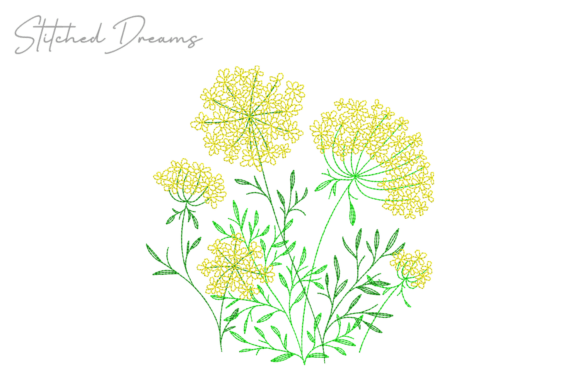
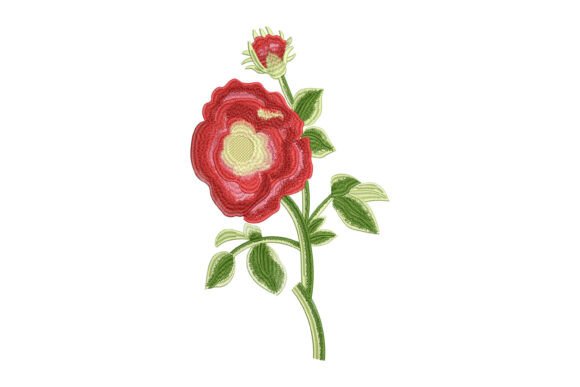
The title Give Yourself Time to Bloom immediately sets a tone of patience, growth, and organic beauty. Visually, the design delivers on this promise. It features flowers and leaves that feel both delicate and structured. For a business owner, the aesthetic is crucial. This design does not scream for attention with aggressive boldness; instead, it offers a friendly, handmade, and premium feel. It strikes a balance between decorative elegance and modern simplicity.
For brands in the wellness, florist, bakery, or handmade jewelry sectors, this visual personality is a significant asset. It communicates care and attention to detail. When I first loaded the preview, the intricacy of the leaves suggested a high level of digitizing quality. However, "intricate" can be a double-edged sword in commercial embroidery. While it looks beautiful, it requires careful handling regarding stitch density and fabric choice to ensure the final product remains professional rather than cluttered.
Real-World Applications for Small Business Merch
The true test of any digital embroidery file is its versatility across different products. Here is how Give Yourself Time to Bloom performs in real-world scenarios for small business owners and merch creators.
Branded Patches and Labels
One of the most effective uses for this design is as an embroidered patch. Patches are versatile; they can be ironed onto tote bags, sewn onto denim jackets, or used as branded labels on packaging. Because the design captures a seasonal touch, it works exceptionally well for limited-edition spring collections. When used as a patch, the intricate details of the flowers and leaves become a focal point. However, you must ensure the patch backing is sturdy enough to support the stitch count without puckering.
Custom Apparel and Uniforms
For cafes and boutiques, staff uniforms are walking billboards. Applying this design to aprons or work shirts adds a layer of sophistication. Apron embroidery, in particular, benefits from floral motifs as they soften the industrial look of kitchen or retail wear. The design serves as a chest logo accent or a sleeve detail, providing a subtle nod to the brand’s values of growth and natural beauty. It is less about loud branding and more about creating an emotional connection with the customer through aesthetic consistency.
Tote Bags and Eco-Friendly Merch
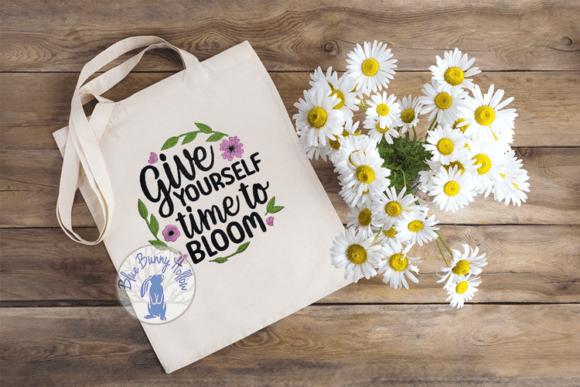
Tote bag design is a booming sector for Etsy sellers and craft businesses. This spring embroidery design is perfect for adding a seasonal touch to canvas bags. The contrast between the thread colors and the natural texture of canvas creates a rustic, high-end look. Customers perceive these items not just as bags, but as lifestyle accessories. Using Give Yourself Time to Bloom here enhances the perceived value of the handmade product, encouraging higher price points and better buyer engagement.
Technical Considerations and Placement Strategy
While the design is visually appealing, technical execution is where many small businesses stumble. As a designer, I advise caution in specific areas to maintain professionalism.
- Stitch Density and Fabric Texture: The description notes the design is intricate. High stitch density on lightweight or textured fabric can cause puckering. Always use a proper stabilizer. For knits or soft cottons, a cut-away stabilizer is often necessary to support the weight of the embroidery.
- Small Patch Sizes: If you plan to shrink this design for a small label or a tiny patch, be wary. Fine details in leaves and flower petals may merge or become indistinct at very small sizes. Test a sample at your intended minimum size before running a full production batch.
- Cap Embroidery: Curved surfaces like cap fronts present challenges. The design must be digitized or adjusted to account for the curve. If the original file is not optimized for caps, the text or central floral elements might distort. Always check if the hoop size accommodates the cap frame you are using.
- Dark Uniforms: Thread color contrast is vital. On dark navy or black uniforms, ensure you use bright, contrasting thread colors to make the flowers pop. Poor contrast can make the intricate design look muddy from a distance.
Impact on Brand Identity and Customer Trust
Consistency in brand identity builds trust. When a customer sees the same high-quality embroidery on your apron, your tote bag, and your packaging, it reinforces professionalism. Give Yourself Time to Bloom contributes to this by offering a cohesive visual language. It signals that your business values quality and aesthetics.
For handmade brands, the "handmade" look is a selling point, but it must not look amateurish. A well-executed embroidery file demonstrates technical competence. It shows that you have invested in quality design assets. This perception increases customer trust and can justify premium pricing. Furthermore, seasonal designs like this one keep your merchandise fresh and relevant, encouraging repeat visits from customers who look forward to new collections.
Practical Designer Notes for Production
Before you commit to using this design for commercial embroidery projects, follow these practical steps to ensure success:
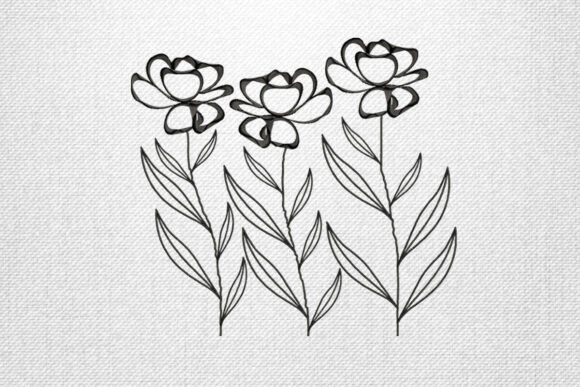
- Test in Black and White: Before selecting thread colors, stitch out the design in black thread on white fabric. This helps you evaluate the clarity of the outlines and the spacing between elements without the distraction of color.
- Check Hoop Size and Licensing: The product description mentions it is perfect for home décor and clothing, but it does not specify exact dimensions. Confirm the hoop size required to ensure it fits your machine. Additionally, verify the commercial licensing terms. Ensure you have the right to use the embroidery file for selling finished products.
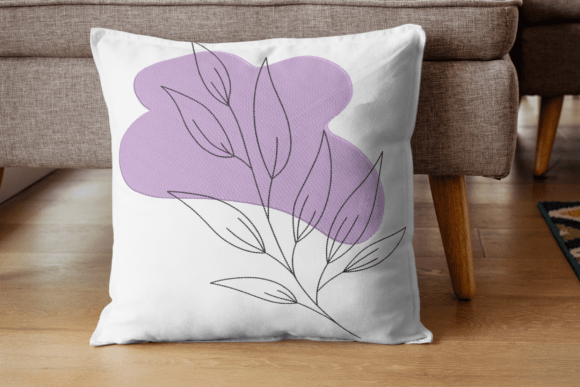
- Create a Printable Mockup: Use digital tools to create a printable mockup of the design on your specific product (e.g., an apron or tote). This allows you to visualize scale and placement before stitching, saving time and materials.
- Compare with Other Assets: Place this design beside your existing logo and brand colors. Does it complement them? Visual consistency is key to a strong brand presence.
- Test on Real Fabric: Digital previews can be misleading. Always run a test stitch on the actual fabric you intend to use. Check for thread breaks, tension issues, and registration accuracy.
In conclusion, Give Yourself Time to Bloom is a strong contender for small business merchandising, particularly for brands that value a natural, elegant, and friendly aesthetic. It excels in applications like tote bags, aprons, and patches where its intricate details can be appreciated. However, success depends on technical diligence. By paying attention to stabilizer choice, fabric texture, and placement, you can transform this digital file into a powerful tool for brand building. For embroidery shops and apparel decorators, it offers a versatile option for spring collections, provided you respect the technical limits of the design’s complexity.