Calla Lily Line Art: A Designer’s Review
As an embroidery designer who has spent years refining digitizing techniques for small boutique brands, I approach every new machine embroidery design with a critical eye. It is not just about whether the file opens correctly; it is about how that design translates into a tangible, high-quality finished product. Recently, I evaluated Calla Lily Line Art for an upcoming limited drop of premium sweatshirts for a client’s online shop. The goal was simple: create a piece of custom apparel that feels elevated yet accessible, blending minimalism with organic charm. Here is my professional assessment of how this design performs in a real-world production environment.
First Impressions and Aesthetic Mood
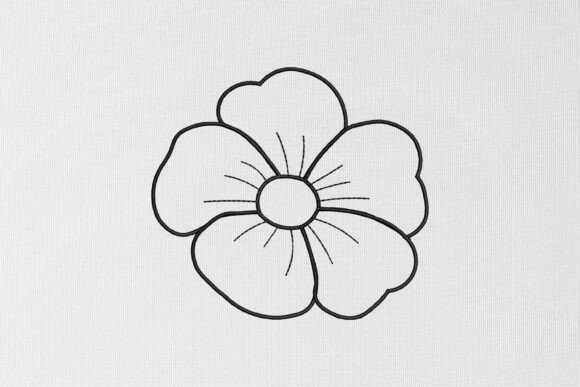
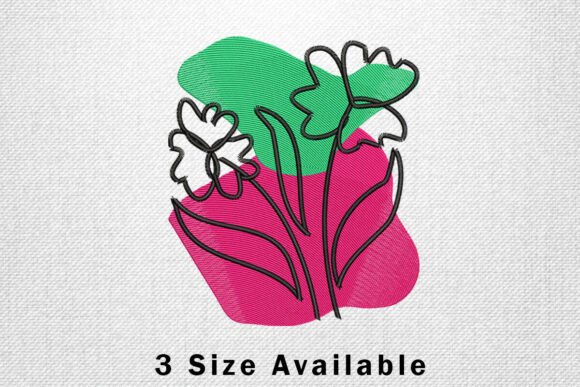
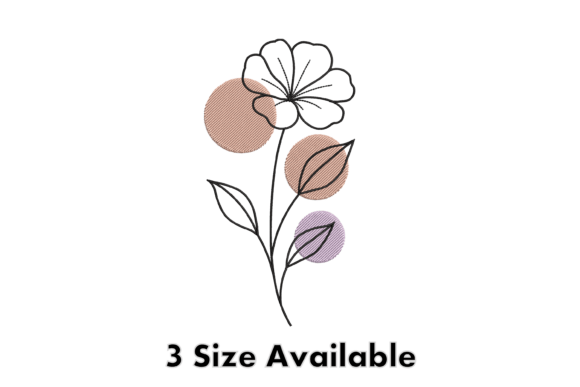
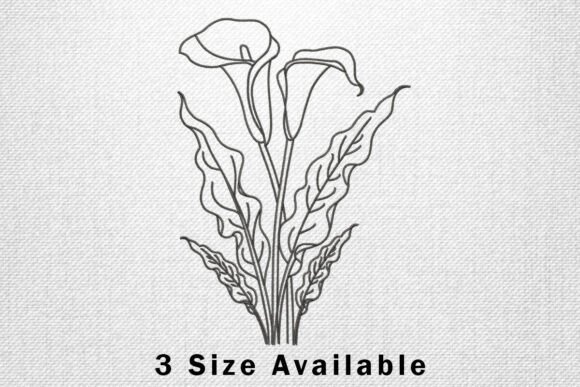
The moment I loaded the digital embroidery file, the clean lines of the calla lily stood out. In the world of Outline Flowers, there is a fine line between elegant simplicity and looking unfinished. Calla Lily Line Art strikes a balance that leans heavily toward the sophisticated side. The mood is distinctly feminine and minimal, avoiding the clutter often found in more complex floral Embroidery patterns. For a boutique brand aiming for a "quiet luxury" aesthetic, this design offers a playful yet whimsical touch without screaming for attention. It feels decorative enough to be a focal point but subtle enough to remain versatile across different garment styles.
The layout suggests a fluid motion, capturing the natural curve of the calla lily’s spathe. This organic flow is crucial for sweatshirt embroidery, where stiff or overly rigid designs can look awkward against the soft drape of cotton blends. The stitch personality appears light and airy, which is essential for maintaining the comfort factor of cozy seasonal apparel. When visualizing this on a neutral cream or oatmeal sweatshirt, the design promises to add a dash of charm that enhances the fabric rather than overpowering it.
Placement Strategy for Sweatshirts and Hoodies
One of the most exciting aspects of working with a versatile embroidery file like this is experimenting with placement. For our project, we considered several options to maximize the visual impact on our small shop product lineup.
- Chest Placement: A small-scale version on the left chest creates a classic, branded look. This is ideal for customers who prefer understated elegance. It works exceptionally well on oversized hoodies, where negative space is abundant.
- Sleeve Accents: Running the line art vertically along the forearm adds a modern, artistic flair. This placement turns a basic hoodie into a statement piece, appealing to buyers looking for unique handmade product details.
- Back Designs: Enlarging the design for the upper back allows the intricate curves to shine. However, one must be cautious with scale to ensure the line weight remains consistent and does not become too sparse.
For lifestyle product photography, these placements offer diverse angles. A close-up shot of the chest embroidery highlights the stitch quality, while a full-body shot of the sleeve accent showcases the garment's silhouette. These visuals are vital for Etsy seller listings, where customers rely on images to gauge texture and scale.
Technical Considerations for Production
While the aesthetic appeal is strong, practical designer concerns must take precedence before hitting the "start" button on the machine. Since the product description notes that this design is ideal for t-shirts, towels, or home decor, we must adapt our approach for heavier fabrics like sweatshirt fleece.
Fabric Texture and Stabilizer Choice
Sweatshirts have a distinct fabric texture that can swallow fine stitches if not properly supported. For Calla Lily Line Art, I recommend using a cut-away stabilizer rather than tear-away. The continuous curves of the lily require stability to prevent puckering, especially after washing. The thickness of the fleece also means that the needle penetration must be precise to avoid pushing the fabric down into the throat plate, which can cause thread breaks.
Thread Color Contrast
Because this is a line art design, contrast is everything. On dark fabric, such as charcoal or navy, a bright white or metallic gold thread will make the design pop, emphasizing its bold, graphic nature. Conversely, on pastel colors, a tonal thread choice (such as sage green on a mint sweatshirt) creates a subtle, textured effect that feels premium and rustic. Testing various thread colors is essential to determine which combination best aligns with your brand identity.
Stitch Density and Readability
Without specific technical data provided in the brief, it is crucial to check the stitch density and hoop size requirements before production. Line art designs can sometimes suffer from low density, making them fragile on items that undergo frequent washing. Ensure the design is dense enough to hold up to commercial use but light enough to remain soft against the skin. Additionally, verify the smallest readable size. If you plan to use this as a tiny logo element, ensure the lines do not merge or break apart during stitching.
Enhancing Brand Value and Customer Trust
Integrating Calla Lily Line Art into your collection does more than just decorate a garment; it builds brand equity. For commercial embroidery projects, consistency is key. Using a cohesive set of design assets helps establish visual recognition. When customers see this specific floral motif across your social media, printable mockup previews, and actual products, it reinforces your brand’s narrative of whimsical, high-quality craftsmanship.
Furthermore, the perceived value of a hoodie design increases significantly with well-executed embroidery. Buyers on platforms like Etsy are often willing to pay a premium for items that feel handmade and thoughtful. The delicate nature of the calla lily suggests attention to detail, which fosters buyer trust. It signals that the creator cares about the nuances of design, from the choice of motif to the final stitch.
Final Verdict for Creative Entrepreneurs
In conclusion, Calla Lily Line Art is a strong contender for any creative entrepreneur looking to expand their floral offerings. It bridges the gap between casual wear and decorative art, making it suitable for a wide range of applications beyond just sweatshirts. Whether you are an Etsy seller updating your spring catalog or a local shop owner creating custom gifts, this design offers flexibility and charm.
However, success lies in the execution. Take the time to test on your specific fabric blends, adjust your tension, and choose the right stabilizer. Check the technical specifications of the embroidery file to ensure it matches your machine’s capabilities. By treating this design with the care it deserves, you can create a finished product that not only looks beautiful but also stands the test of time, enhancing your reputation as a provider of quality custom apparel.
Remember, the devil is in the details. Verify the license terms, confirm the available formats, and always run a test stitch. With these precautions, Calla Lily Line Art can become a staple in your portfolio, adding a touch of whimsical elegance to every piece it adorns.