Abstract Floral Line Art: A Designer’s Holiday Review
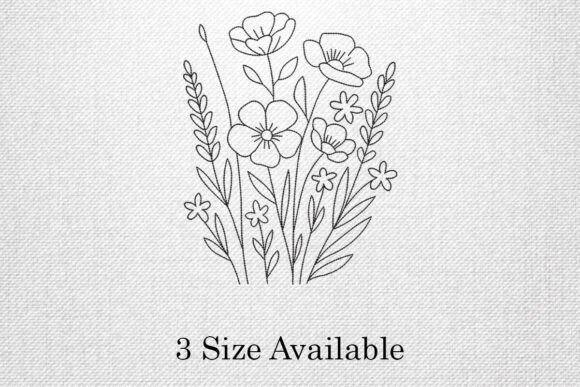
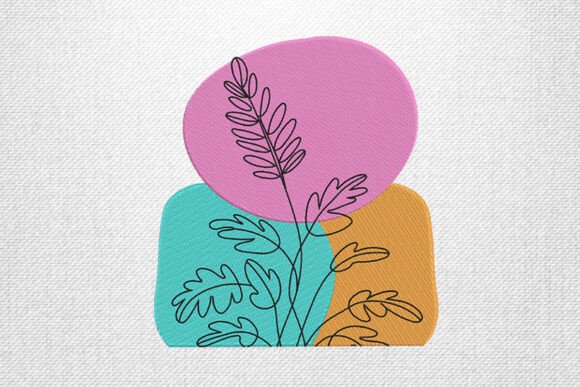
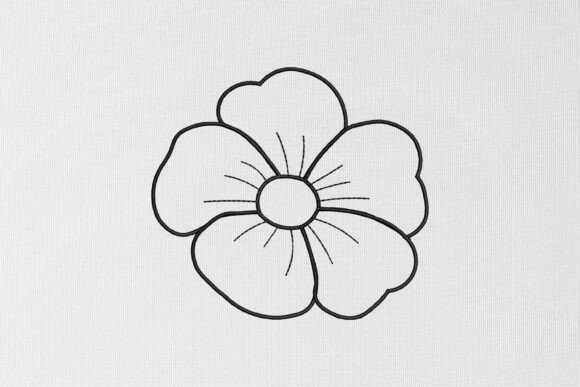
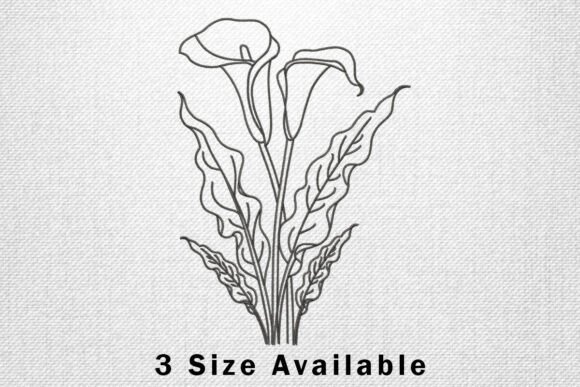
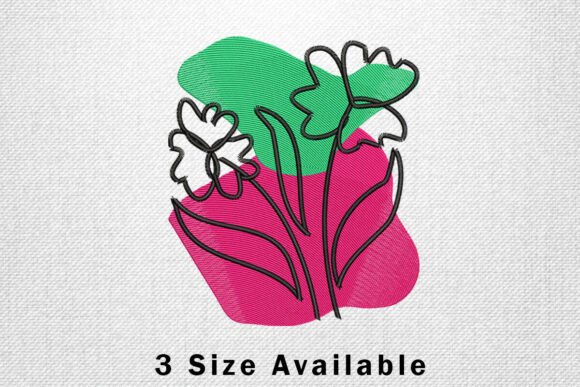
As an embroidery designer who spends countless hours digitizing and testing patterns, I approach every new machine embroidery design with a critical eye. It is not just about whether the stitches look clean; it is about whether the design will sell. When I first loaded the Abstract Floral Line Art file into my software, I was immediately struck by its versatility. In the world of Outline Flowers, simplicity is often harder to execute than complexity. This design manages to balance minimalism with enough visual interest to stand out on a crowded marketplace.
For those of us preparing our shops for the upcoming festive season, finding the right assets is crucial. This piece does not scream "Christmas" in the traditional sense, which is actually its greatest strength. It offers a modern, whimsical touch that fits seamlessly into a variety of seasonal narratives, from cozy winter gatherings to fresh spring renewals. Here is my practical review of how this embroidery file performs in real-world production and sales scenarios.
The First Impression: Mood and Aesthetic Appeal
The immediate vibe of Abstract Floral Line Art is playful yet sophisticated. Unlike heavy, filled designs that can feel bulky on garments, this outline style feels light and airy. It evokes a sense of modern elegance mixed with a touch of nostalgia. For holiday product creators, this emotional tone is vital. Today’s shoppers are moving away from overly kitschy decor and toward items that feel curated and personal.
This design feels particularly suited for a "quiet luxury" aesthetic. It is understated enough to be worn daily but special enough to be gifted. Whether you are aiming for a rustic farmhouse look or a sleek contemporary style, the abstract nature of the flowers allows the thread colors to do the heavy lifting. It is a chameleon, adapting to the fabric texture and palette you choose.
Strategic Applications for Seasonal Sales
When planning a seasonal collection, versatility is key to maximizing your return on investment. I tested this design across several product categories to see where it shines brightest. Here is how I envision using it in a holiday shop lineup:
- Sweatshirt Embroidery: Placed on the left chest or as a larger back piece, this design looks incredible on cream or oatmeal-colored hoodies. It creates a perfect handmade gift for friends who appreciate subtle style.
- Kitchen Towel Embroidery: Holiday hosting is huge, and linen towels with delicate floral outlines are top sellers. The open structure of the design prevents the towel from becoming stiff, maintaining its absorbency and drape.
- Tote Bag Design: Canvas totes are staples for gift-giving seasons. Stitching this in contrasting thread colors makes for a chic, reusable bag that customers love for carrying holiday groceries or gifts.
- Pillow Cover Accents: For home decor, consider stitching this onto neutral pillow covers. It adds a layer of texture without overwhelming the room’s existing color scheme.
- Embroidered Patch: If you offer patches, this design translates well to felt or twill backings. It allows customers to add a custom touch to denim jackets or backpacks.
For Etsy sellers and small shop owners, these applications allow for diverse listings. You can create bundles, such as a matching sweatshirt and tote set, increasing your average order value during the high-traffic holiday months.
Navigating Technical Challenges and Fabric Choices
While Abstract Floral Line Art is forgiving, there are technical considerations every embroiderer must address. Because this falls under the category of Outline Flowers, the stitch path is linear. This means your choice of stabilizer and hoop size is critical.
First, always check the recommended hoop size in the file details. If the design is large, ensure your machine can handle the dimensions without excessive re-hooping, which can lead to misalignment. For stretchy garments like sweatshirts, a cut-away stabilizer is non-negotiable to prevent distortion over time. For woven fabrics like kitchen towels or pillow covers, a tear-away stabilizer usually suffices, but test it first to ensure no residue is left behind.
Thread selection dramatically alters the outcome. On dark fabrics, use a high-sheen rayon or polyester thread to make the lines pop. For a more subdued, rustic look on natural fibers, matte cotton threads work beautifully. However, be cautious with metallic threads; while festive, they can break easily in continuous long runs typical of outline designs. If you must use metallics, slow your machine speed down significantly.
Also, consider the stitch density. Since this is an outline, it is generally low density, which is great for comfort. However, if you scale the design up significantly for a large tote bag, ensure the stitches do not become too sparse, which might look unfinished. Always stitch a test sample on your actual fabric before committing to a full production run.
Boosting Brand Value and Customer Engagement
In the competitive landscape of digital embroidery and finished goods, presentation is everything. This design lends itself beautifully to high-quality photography. Because it is not overly complex, it photographs well in natural light, highlighting the texture of the thread against the fabric.
For social media previews, create lifestyle shots that show the product in use. A photo of a coffee mug next to a towel with the Abstract Floral Line Art stitched on it tells a story of cozy mornings. This emotional connection drives sales. Furthermore, because the design is abstract, it appeals to a broad demographic. It is gender-neutral and age-appropriate, making it a safe bet for personalized gifts where the recipient’s specific tastes might be unknown.
Brand consistency is another area where this design excels. If your shop focuses on modern, minimalist aesthetics, this pattern reinforces that identity. It signals to customers that your brand understands current trends. When buyers see a cohesive collection featuring this motif across different products, their trust in your expertise grows, leading to higher conversion rates.
Practical Designer Notes for Production
Before you list this as a commercial embroidery product or use it in finished goods, take these final steps to ensure quality:
- Verify Licensing: Always confirm the license terms of the digital embroidery file. Ensure you have the right to sell finished products if that is your business model.
- Test on Multiple Fabrics: Stitch the design on both light and dark fabrics to determine your standard thread palette. Create a swatch card for reference.
- Check Detail Clarity: After stitching, inspect the curves of the abstract flowers. Ensure there are no jagged edges or loose threads that could unravel after washing.
- Create Realistic Mockups: If selling the file itself, use high-resolution images. If selling finished goods, use a printable mockup strategy for your marketing materials to show variety without stitching every single item first.
- Wash Testing: Wash your test samples to check for shrinkage or thread bleeding. This is crucial for items like kitchen towels and baby items that require frequent laundering.
In conclusion, Abstract Floral Line Art is a strong contender for any seasonal collection. It bridges the gap between trendy and timeless, offering flexibility for various products while maintaining a high perceived value. By paying attention to technical details and leveraging its aesthetic versatility, you can create standout products that resonate with holiday shoppers looking for meaningful, beautifully crafted items.