Review: Minimalist Wildflower Floral Line Art for Modern Stitching
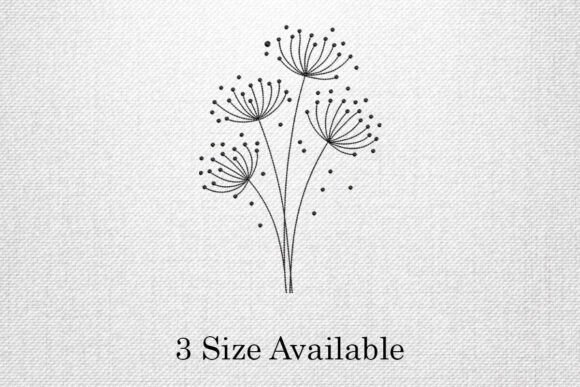
As a designer who has spent years digitizing patterns and testing them on everything from stiff canvas to delicate silk, I have learned that simplicity is often the hardest thing to get right. When I first loaded the Minimalist Wildflower Floral Line Art into my embroidery software, my immediate reaction was one of relief. In a market saturated with overly complex, dense designs that eat up thread and time, this piece offers a breath of fresh air. It belongs to the category of Outline Flowers, but it feels more like a sketch brought to life than a standard digital pattern.
I want to walk you through how this design performs in real-world scenarios, specifically for those of us running small shops, selling on Etsy, or creating personalized gifts. This is not just about whether the file opens correctly; it is about whether the finished product will hold up to customer expectations and daily use.
The Aesthetic: Airy, Delicate, and Intentional
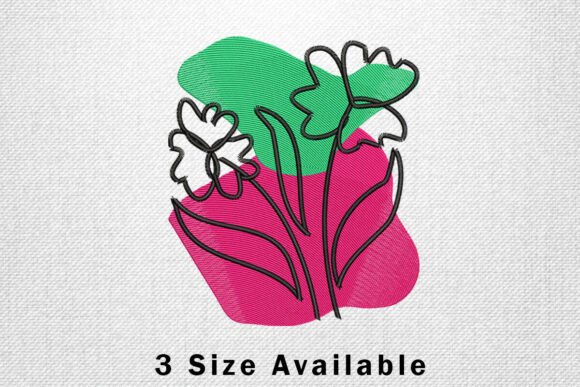
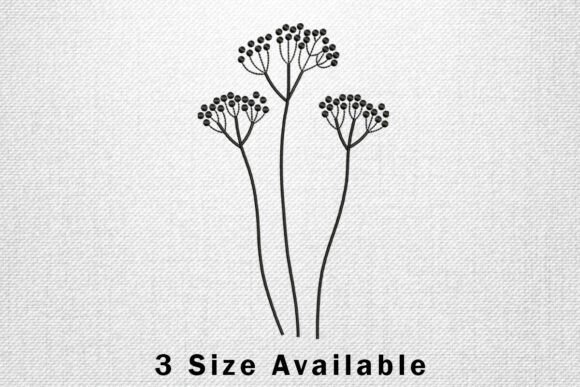
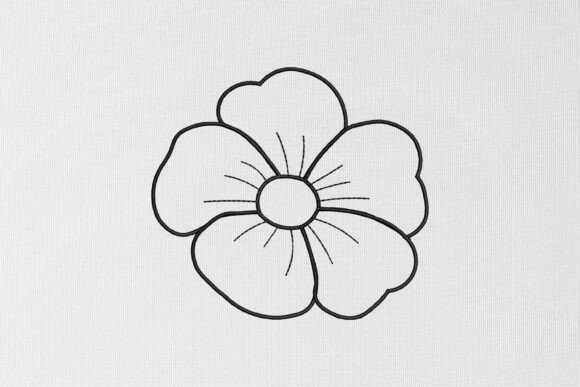
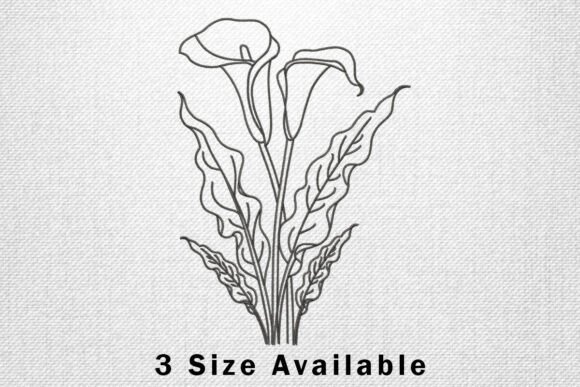
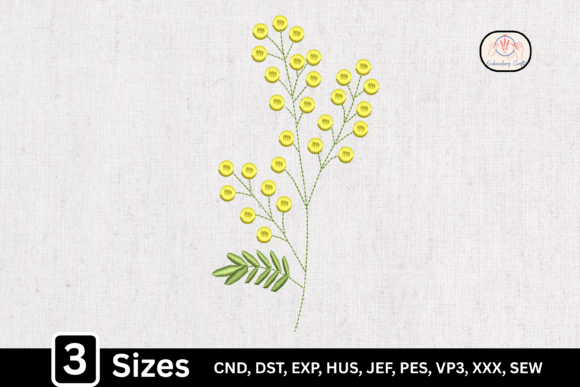
The visual personality of this Minimalist Wildflower Floral Line Art is defined by its restraint. The stems are thin and airy, avoiding the heavy, blocky look that plagues many amateur digitizations. The petals are suggested rather than fully filled, relying on the viewer’s eye to complete the shape. This approach creates a mood of natural elegance and calm. It does not shout for attention; instead, it invites a closer look.
For embroidery designers and craft business owners, this aesthetic is crucial. Modern consumers, particularly those buying handmade products, are leaning toward understated luxury. They want items that feel curated and sophisticated. This design fits perfectly into that niche. It works exceptionally well as a tote bag design because the open spaces allow the texture of the fabric to show through, integrating the stitch work with the material rather than sitting on top of it like a plastic sticker.
Real-World Application: From Sweatshirts to Nursery Decor
To truly evaluate an Embroidery design, you must imagine it on a specific product. I recently tested this pattern on a cream-colored linen blend for a custom apron project. The result was stunning. The delicate lines complemented the natural weave of the linen, creating a cohesive, organic look. However, the versatility of this machine embroidery design extends far beyond kitchenware.
Consider sweatshirt embroidery. Heavy fleece can sometimes overwhelm detailed designs, but because this pattern uses primarily running stitches and light satin accents, it sits beautifully on thick fabric without causing puckering. It is also an excellent choice for baby embroidery. Parents often prefer subtle, soft designs for infant clothing, and the gentle curves of these wildflowers feel safe and tender. I could easily see this used on a muslin swaddle or a simple cotton onesie as a high-value personalized gift.
For Etsy sellers and small shop owners, this design is a asset for creating cohesive collections. You can use the same digital embroidery file across different product lines—pillow covers, tea towels, and even embroidered patches—to build strong brand recognition. The consistency of the line weight ensures that your finished product looks professional regardless of the item type.
Technical Considerations and Fabric Choices
While the design is forgiving, it is not without its technical demands. Because it relies on fine lines, the choice of stabilizer is critical. I recommend using a cut-away stabilizer for stretchy fabrics like jersey knits to prevent the thin stems from distorting over time. For woven fabrics, a high-quality tear-away should suffice, but always test on scrap fabric first.
Fabric texture plays a significant role here. On very textured materials like bouclé or heavy wool, the finest details of the Minimalist Wildflower Floral Line Art might get lost. In those cases, consider increasing the scale slightly or choosing a smoother fabric like cotton poplin or lawn. Conversely, on dark fabrics, you must be meticulous about your thread colors. A slight mismatch in tone can make the delicate lines disappear. I suggest testing high-contrast combinations, such as white thread on navy denim, to ensure the design pops.
One area where caution is needed is with curved surfaces, such as caps or hats. The horizontal spread of the floral arrangement might require careful hooping to avoid distortion on the front panel of a cap. If you are doing commercial embroidery for clients, always hoop a sample to check the alignment before committing to the final garment.
Enhancing Value and Customer Trust
Why does this specific style matter for your business? It comes down to perceived value. Dense, heavy embroidery can sometimes look cheap if the tension is off or if the thread shines too much. Light, artistic line art, however, looks intentional and high-end. It signals to the buyer that care was taken in the selection of the design.
When creating printable mockups or digital previews for your online store, this design photographs beautifully. The shadows cast by the raised stitches add depth to flat-lay images, making your design assets look more tangible and appealing. This can significantly boost buyer engagement and click-through rates.
Furthermore, because the design is not overly trendy, it has longevity. It is not tied to a specific season, making it suitable for year-round sales. While it works wonderfully for holiday embroidery when paired with seasonal colors, it is equally appropriate for spring weddings or autumn harvest themes. This versatility reduces the risk of unsold inventory for small business owners.
Practical Notes for the Embroiderer
Before you begin your next embroidery project, keep these practical tips in mind:
- Check the Details: Zoom in on your software to inspect the smallest petals. Ensure the stitch density is low enough to prevent fabric bunching but high enough to maintain shape.
- Thread Selection: Use a high-sheen rayon or polyester thread for the stems to give them a subtle highlight, or matte cotton for a rustic, hand-drawn look.
- Hoop Size: Verify the required hoop size before starting. While likely compact, ensuring your frame fits the design without re-hooping is essential for alignment.
- Licensing: Always confirm the license terms. If you plan to sell custom apparel or other goods, ensure your purchase includes commercial rights. Do not assume; read the documentation provided with the embroidery file.
- Test Stitch: Never skip the test stitch. Run the design on a similar fabric scrap to check for thread breaks or nesting issues, especially in the connecting points between stems and flowers.
In conclusion, the Minimalist Wildflower Floral Line Art is a thoughtful, well-digitized addition to any designer’s library. It respects the medium of embroidery by utilizing its strengths—texture and line—without overcomplicating the process. For makers, sellers, and creators, it offers a reliable, elegant solution for producing high-quality, desirable goods. Whether you are decorating a single tote bag for a friend or stocking your online shop with a new line of botanical home decor, this design delivers both beauty and practicality.