Reviewing Minimalist Floral Line Art for Gifts
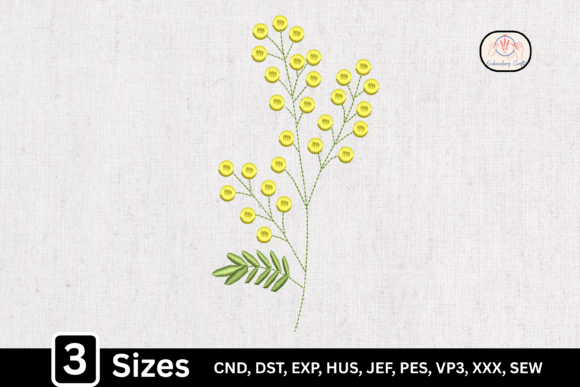
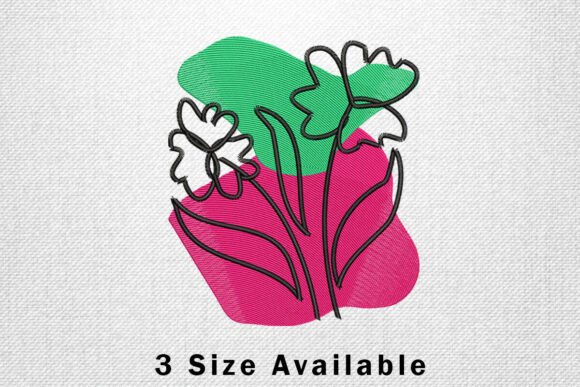
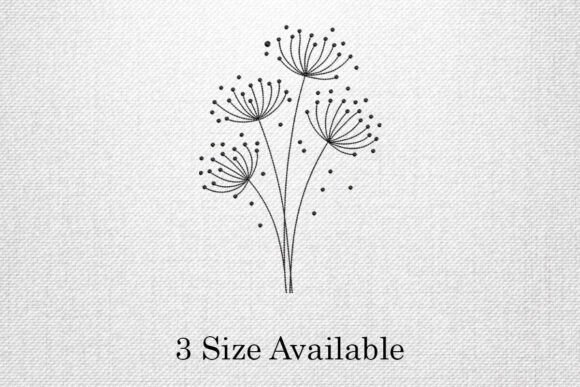
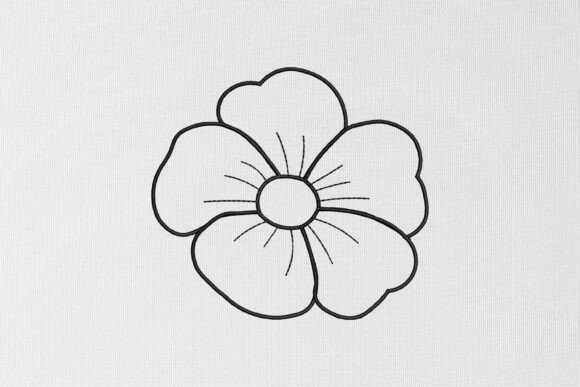
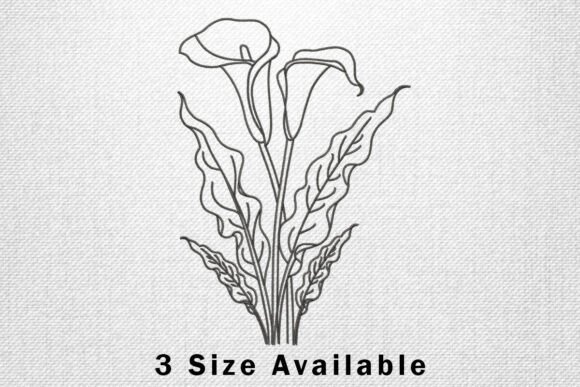
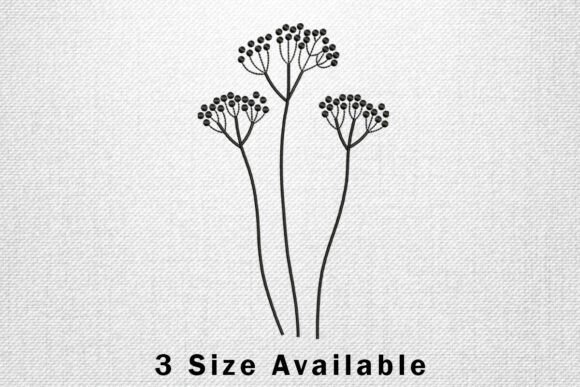
As an embroidery designer who has spent countless hours hooping fabrics and tweaking tension settings, I approach every new machine embroidery design with a mix of curiosity and caution. When I first loaded the Minimalist Floral Line Art file into my software, I was immediately struck by its understated elegance. In a market often saturated with overly complex, high-density patterns, this design offers a refreshing breath of air. It belongs to the popular Outline Flowers category, yet it manages to feel distinctively modern and versatile. For those of us running small shops or selling on platforms like Etsy, finding a design that balances speed with aesthetic appeal is crucial. This review explores how this specific Embroidery pattern performs in real-world applications, particularly for personalized gifts.
First Impressions: Mood and Aesthetic Appeal
The immediate vibe of Minimalist Floral Line Art is whimsical yet refined. It does not scream for attention; instead, it invites a closer look. The lines are clean, suggesting a hand-drawn quality that resonates deeply with customers seeking a handmade product feel. Whether you describe it as sweet, romantic, or simply classic, the design carries an emotional weight that is perfect for gift-giving. It lacks the heaviness of traditional satin-stitch florals, making it feel lighter and more contemporary. This "less is more" approach is exactly what modern buyers are looking for when they want something that feels curated rather than mass-produced.
For a Etsy seller or a boutique owner, this visual simplicity is a massive advantage. It photographs beautifully because it does not create harsh shadows or bulky textures that can distort the look of the fabric in online listings. The design’s charm lies in its ability to enhance the fabric rather than cover it up, adding a dash of sophistication to whatever item it adorns.
Versatility Across Product Lines
One of the strongest assets of this design is its adaptability. I tested the concept of using it across various items, imagining different customer scenarios. Here is how it performs in key categories:
- Baby Embroidery: For nursery items, the delicate lines are perfect. Imagine this stitched onto a muslin swaddle or a organic cotton onesie. It feels gentle and appropriate for a newborn, avoiding the bulk that can irritate sensitive skin.
- Wedding Gift Keepsakes: This design shines on heirloom-quality items. Picture it embroidered on a linen table runner or a silk pillowcase. It serves as a subtle, romantic accent for a wedding gift that the couple will cherish for years.
- Kitchen and Home Decor: An embroidered towel featuring this floral line art transforms a basic household item into a decorative piece. It also works wonderfully on aprons, adding a playful touch to functional wear.
- Tote Bags and Apparel: On canvas totes or cotton t-shirts, the design adds a custom flair. It is ideal for custom embroidery orders where the client wants their initials integrated near the floral motif.
The key here is that the design does not overpower the base material. Whether it is a pillow cover for a living room refresh or a blanket embroidery project for a baby shower, the floral outline complements the texture rather than fighting against it.
Technical Considerations and Fabric Challenges
While the aesthetic is undeniable, practical application requires careful planning. As a designer, I must advise caution in specific scenarios. Because this is a line-art style, the details are finer than standard fill-stitch designs. This means fabric choice is critical.
Fabric Texture and Stability: On highly textured fabrics like thick terry cloth towels or chunky knits, the fine lines might get lost or appear uneven. I recommend using a cut-away stabilizer for stretchy fabrics like baby clothes to prevent puckering. For woven fabrics like linen or cotton, a tear-away stabilizer usually suffices, but always test on scrap fabric first.
Thread Color Contrast: The success of Minimalist Floral Line Art relies heavily on contrast. On dark fabrics, you must use a light, bright thread to ensure visibility. Conversely, on white linens, a soft pastel or metallic thread can create a subtle, elegant effect. Always compare light and dark fabric mockups before finalizing your product lineup.
Stitch Density and Detail: Since the description notes it adds a "playful and whimsical touch," I assume the stitch path is optimized for speed and cleanliness. However, always check the stitch density in your viewer software. If the lines are too sparse, they may look flimsy on heavy denim. If they are too dense, they might perforate delicate silks. Review the small details after stitching a test sample to ensure the curves remain smooth and do not jaggedly step.
Enhancing Perceived Value and Giftability
From a business perspective, this design boosts the perceived value of your small shop product. Customers often associate intricate, clean line work with higher quality craftsmanship. When you offer a personalized gift featuring this design, you are not just selling an object; you are selling an emotional connection. The minimalist nature allows the personalization—such as a name or date—to take center stage alongside the art, creating a balanced composition that feels intentional and thoughtful.
This directly impacts buyer engagement. Clean, modern designs tend to perform well in digital marketing because they fit seamlessly into lifestyle photography. A printable mockup or a photo of the finished product on a neutral background will likely attract clicks from buyers looking for modern, chic decor rather than rustic or vintage styles.
Practical Steps for Commercial Use
Before you begin production for customer orders, there are several essential steps to ensure professionalism and legal compliance:
- Verify Licensing: Always confirm commercial licensing terms. Ensure the digital embroidery file you purchased allows for the sale of finished physical goods. Do not assume; read the license agreement provided by the designer.
- Check Hoop Size Compatibility: The product description mentions it is ideal for t-shirts and home decor, but it does not specify exact dimensions. Check the included files to confirm the hoop size requirements. You may need to resize the design, but be cautious: scaling up too much can cause pixelation or stitch issues, while scaling down too much can merge fine lines.
- Test Stitch-Outs: Never skip the test phase. Stitch the design on the exact fabric type you plan to sell. Check for thread breaks, nesting, or registration errors.
- Consider Washing Instructions: For items like embroidered towels or baby blankets that undergo frequent washing, ensure your thread choice is colorfast and durable. Polyester threads generally hold up better than rayon for high-use items.
In conclusion, Minimalist Floral Line Art is a valuable addition to any embroidery portfolio. It bridges the gap between simple and sophisticated, offering a versatile solution for commercial embroidery projects. By paying attention to fabric choices, stabilizer types, and thread contrasts, you can leverage this design to create stunning, high-value personalized gifts that resonate with today’s aesthetic preferences. Whether you are crafting for a wedding, a newborn, or a home refresh, this design provides the perfect touch of whimsical charm.