Healing Girl Summer: A Designer’s Craft Fair Review
As an embroidery designer who has spent countless weekends behind a craft fair table, I have learned that not every digital file translates into a bestseller. We often browse marketplaces looking for the next trend, but the real test happens when we hoist a design onto fabric and place it under the harsh lighting of a convention center or the soft glow of an Etsy listing. Today, I am reviewing Healing Girl Summer, a machine embroidery design that promises to embrace the season of self-care and positivity. My goal is to evaluate this pattern not just as art, but as a viable commercial embroidery product for handmade shop owners and boutique makers.
First Impressions: The Vibe and Visual Appeal
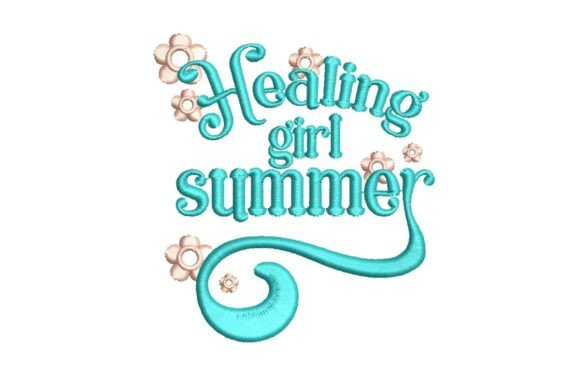
When I first loaded the preview of Healing Girl Summer, the immediate impression was one of retro optimism. The description mentions a "groovy, uplifting" aesthetic, and visually, it delivers on that promise. This is not a minimal or rustic farmhouse piece; it leans heavily into a modern, decorative style that feels both festive and soft. For a summer collection, this mood is critical. Customers at craft fairs are often looking for items that evoke a feeling of escape and relaxation. This design captures that emotional hook instantly.
The motivational phrase featured in the pattern serves as the focal point. In the world of small shop products, text-based designs are powerful because they communicate a message without requiring explanation. However, the success of such a design relies entirely on legibility and flow. From a designer’s perspective, the curvature and spacing of the letters in Healing Girl Summer appear balanced, suggesting it will read well even from a few feet away—a crucial factor for booth display strength.
Product Application: Where This Design Shines
To determine the commercial viability of any embroidery file, we must imagine it on various substrates. I evaluated how Healing Girl Summer performs across several popular craft fair products.
- Tote Bag Design: This is arguably the strongest application. A canvas tote provides a large, flat surface that allows the groovy elements of the design to breathe. The contrast between the thread colors and natural canvas creates a premium look that appeals to eco-conscious buyers.
- Apron Embroidery: With the rise of home cooking and hosting, embroidered aprons are steady sellers. Placing this self-care motif on the bib of a linen apron transforms a utility item into a giftable handmade product. It suggests that cooking is an act of love and healing.
- Tea Towel Embroidery: Kitchen textiles are impulse buys at markets. However, tea towels present a challenge due to fabric texture. The weave can sometimes distort small details. If the stitch density is moderate, this design could work beautifully on flour sack towels, adding a touch of whimsy to the kitchen.
- Embroidered Patch: Patches are excellent for batch production. If the design scales down well without losing clarity, it becomes a versatile asset. Customers can buy the patch to customize their own jackets or bags, expanding your target audience beyond those who want finished goods.
- Caps and Headwear: Curved cap surfaces are tricky. If the design is too wide, it may distort around the seam. I recommend testing a smaller version of Healing Girl Summer on the front panel of a dad hat to ensure the text remains readable and the hoop size accommodates the curve without puckering.
Production Practicality for the Busy Maker
For Etsy sellers and creative entrepreneurs, time is money. A design might look beautiful, but if it takes four hours to stitch or requires constant thread changes, it is not practical for high-volume sales. When reviewing Healing Girl Summer, I looked for signs of efficient production. The "groovy" style often implies bold lines rather than intricate shading, which is a positive indicator for stitch density. Lower density means faster run times and less risk of fabric distortion.
Photography is another key consideration. Does the design photograph well for online listings? High-contrast thread colors against solid fabrics tend to pop in digital images. This design seems suited for vibrant thread palettes—think coral, teal, or sunshine yellow—which perform exceptionally well in printable mockup scenarios and social media ads. A strong visual presence in photos directly correlates to higher buyer engagement.
Navigating Technical Challenges
While the aesthetic is promising, there are careful-use notes every embroiderer should consider before launching this as a commercial embroidery line. First, check the tiny details. Motivational phrases often include punctuation or small decorative elements like flowers or stars. On textured towels or thick fabric, these small stitches can get lost or cause bunching. Always review the zoomed-in preview of the digital embroidery file to ensure no elements are too fine for standard polyester threads.
Dark fabric presents another hurdle. If you plan to offer this on navy or black tote bags, you must ensure the design includes underlay stitches or satin borders that prevent the background fabric from showing through the lettering. Without proper digitizing for dark garments, the "healing" message might look fragmented and unprofessional.
Strategic Selling and Brand Consistency
Integrating Healing Girl Summer into your lineup should enhance your brand consistency. If your shop focuses on wellness, mindfulness, or retro-inspired decor, this design fits seamlessly. It adds value to simple blanks, turning a ten-dollar tote into a thirty-dollar statement piece. The perceived value comes from the emotional connection the buyer makes with the self-care message.
For booth displays, use this design on your most visible items. Hang the tote bags at eye level. Use the apron on a mannequin or wear it yourself while working the booth. These real-world applications help customers visualize the product in their lives. Furthermore, creating at least one real mockup with varied fabric colors allows you to showcase versatility. Compare how the design looks on cream versus mint green fabric to guide your inventory decisions.
Final Designer Notes and Pre-Production Checklist
Before you commit to stitching dozens of units for your next market, follow this practical checklist to ensure quality control:
- Test on Scrap Fabric: Never skip the test stitch. Use the same type of fabric you intend to sell to check for registration issues.
- Check Thread Contrast: Ensure your chosen thread colors stand out against the fabric. Poor contrast kills visual appeal.
- Review Spacing and Hoop Size: Confirm that the design fits comfortably within your standard hoop size without hitting the edges.
- Inspect Stitch Density: Feel the back of the test stitch. If it is too stiff, it may discomfort the user, especially on wearable items like caps.
- Use the Right Stabilizer: Match your stabilizer to the fabric weight. Cut-away for stretchy knits, tear-away for stable wovens.
- Confirm Commercial Licensing: This is vital. Check the terms included with the Healing Girl Summer download. Ensure you have the right to sell finished products made with this design assets.
In conclusion, Healing Girl Summer offers a compelling blend of trend-aware aesthetics and emotional resonance. For the experienced maker, it represents a low-risk, high-reward addition to a summer collection. By paying attention to fabric texture, stitch density, and strategic product placement, you can leverage this embroidery design to create standout handmade products that resonate with customers seeking positivity and style. Whether you are an established Etsy seller or a weekend craft fair vendor, this pattern has the potential to become a staple in your shop, provided it is executed with technical precision and creative flair.