Reviewing the Breast Cancer Embroidery Design for Craft Fairs
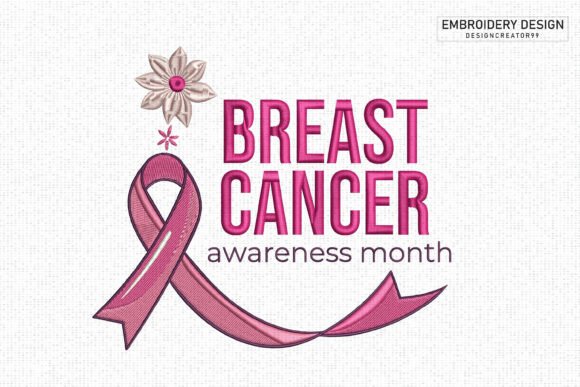
As an embroidery designer who has spent countless hours behind the hoop and even more time standing behind a booth table at weekend markets, I look at every new machine embroidery design through a very specific lens. It is not just about whether the stitches are pretty; it is about whether the design will stop a shopper in their tracks, convey a message instantly, and hold up under the scrutiny of a customer who wants to touch and feel the quality. Today, I am taking a close look at the Breast Cancer Embroidery Design, specifically the floral ribbon variant intended for Awareness Month, to determine its viability for craft fair products and handmade market sales.
First Impressions: Balancing Softness with Strength
The first thing that strikes me about this Breast Cancer Embroidery Design is its tonal balance. The description highlights a "detailed pink ribbon intertwined with flowers," which suggests a blend of symbolic strength and organic softness. In the world of Awareness merchandise, there is a fine line between designs that feel clinical or overly somber and those that feel celebratory and hopeful. This design appears to land firmly in the latter category. It feels elegant yet approachable, avoiding the stark minimalism that can sometimes feel cold on handmade items. For a craft fair setting, this emotional resonance is crucial. Shoppers are often looking for gifts that speak to survival, support, and solidarity, and a floral motif adds a layer of warmth that pure graphic symbols often lack.
Product Versatility: Where This Design Shines
When planning my booth inventory, I always categorize designs by their best-use cases. This particular embroidery file seems incredibly versatile, but it will perform differently depending on the substrate. Here is how I envision it working across various craft fair product categories:
- Tote Bags and Market Bags: This is likely the strongest contender for this design. A canvas tote provides a large, flat surface that allows the floral details to breathe. As a tote bag design, it serves as a walking billboard for the cause. The contrast of pink thread against natural cotton or white canvas is visually striking and photographs beautifully for online listings.
- Aprons and Tea Towels: For kitchen textiles, placement is key. On an apron, this design works well as a chest pocket accent or a lower hem detail. For tea towel embroidery, ensure the design is scaled correctly so the floral elements do not get lost in the weave of the fabric. These make excellent handmade product additions for customers looking for supportive gifts for friends undergoing treatment.
- Embroidered Patches: If the stitch density allows for clean cutting, this design could be fantastic as an iron-on or sew-on patch. Patches are high-margin, low-shipping-cost items that appeal to younger demographics and those who want to customize their own jackets or bags.
- Caps and Curved Surfaces: Here, caution is required. While a cap is a popular item, the "detailed" nature of the floral intertwining might suffer on a curved surface if the design is too wide. I would recommend testing a smaller version or ensuring the digitizing accounts for the push-and-pull of fabric on a curved hoop.
Production Practicalities for the Small Shop Owner
For any Etsy seller or boutique maker, time is money. When evaluating a digital embroidery file for batch production, I look for efficiency. Does this design require excessive trimming? Are there many color changes? A design with too many stops and starts can slow down production significantly during a busy pre-fair crunch. While the floral details add beauty, they also introduce complexity. I advise checking the stitch count and color sequence before committing to a large run. If the design uses similar shades of pink and green, consider simplifying the thread palette to reduce changeovers without sacrificing visual impact.
Another critical factor is the fabric texture. Detailed floral designs can sometimes sink into plush towels or fuzzy fleece, losing their definition. This Breast Cancer Embroidery Design will likely look crispest on medium-weight woven cottons, twills, or stable blends. If you plan to offer it on textured items, you may need to use a topping stabilizer to keep the stitches sitting on top of the fabric rather than disappearing into it.
Visual Appeal and Booth Display Strategy
In a crowded craft fair aisle, your booth display must communicate value instantly. This design aids in that goal because the pink ribbon is universally recognized. However, the floral element elevates it from a standard symbol to a piece of art. This increases the perceived value of the finished product. Customers are more likely to pay a premium for something that looks like a deliberate artistic choice rather than a generic logo.
To maximize engagement, create a cohesive display theme. Group all items featuring this Breast Cancer Embroidery Design together. Use signage that explains the significance of the floral ribbon—perhaps a small card noting that a portion of proceeds goes to research or support groups. This narrative adds depth to the purchase decision. Additionally, ensure you have a high-quality printable mockup or a framed sample of the design to show customers what it looks like up close, especially if the actual items are folded or stacked.
Technical Notes and Careful-Use Considerations
Before you load this design into your machine for a production run, there are several technical checks every professional embroiderer should perform. These steps ensure that your commercial embroidery output meets the high standards expected by discerning buyers.
- Test on Scrap Fabric: Never skip this step. Stitch out the design on the exact fabric you intend to sell. Check for puckering, especially around the dense areas of the ribbon and flower centers.
- Check Thread Contrast: Ensure your pink threads stand out against your chosen fabric. If using dark fabrics, you may need to adjust the design or use a lighter underlay to prevent the fabric color from showing through the stitches.
- Review Spacing and Density: Look closely at where the ribbon intertwines with the flowers. Are the stitches too close together? High stitch density can cause thread breaks or fabric distortion. If necessary, ask the digitizer for a version with reduced density for delicate fabrics.
- Confirm Hoop Size: Verify that the design fits comfortably within your standard hoop sizes. If it requires a large hoop, ensure you have the capacity to produce it efficiently. Smaller versions may lose detail, so find the minimum viable size for clarity.
- Stabilizer Selection: Use the right stabilizer for the job. Cut-away stabilizer is often best for garments that will be washed frequently, while tear-away might suffice for decorative pillows or wall hangings.
- Licensing Verification: Always confirm the commercial licensing terms of the design assets. Ensure you have the right to sell finished products made with this file, especially if you are scaling up for a major market season.
Final Verdict for the Handmade Entrepreneur
The Breast Cancer Embroidery Design is a strong candidate for your autumn inventory, particularly for October campaigns. Its blend of symbolic meaning and aesthetic appeal makes it suitable for a wide range of small shop product lines. By paying attention to fabric choice, stitch density, and presentation, you can turn this digital file into a bestseller. Remember, the goal is not just to sell an embroidered item, but to offer a tangible token of support and beauty. When executed with care, this design has the potential to resonate deeply with your customers, driving both sales and meaningful connections at your next craft fair.