Spring Bird and Floral: A Designer’s Review
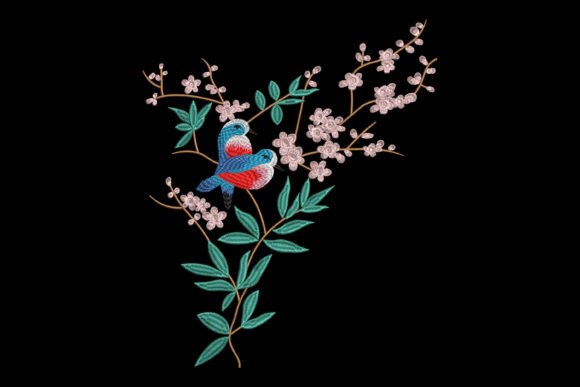
As an embroidery designer who has spent years digitizing patterns for small businesses, I approach every new machine embroidery design with a critical eye. It is not just about whether the artwork looks pretty on a screen; it is about how that art translates into thread, how it holds up on fabric, and ultimately, how it serves the brand identity of the client. Recently, I reviewed Spring Bird and Floral, a design that promises freshness and upliftment through its depiction of a delicate songbird surrounded by blooming spring flowers. For small business owners, Etsy sellers, and apparel decorators, this piece offers significant potential, but it requires thoughtful application to maximize its commercial value.
First Impressions: Visual Personality and Brand Fit
The immediate impression of Spring Bird and Floral is one of gentle elegance. The description notes "soft, cheerful colors and fine det," which suggests a design that leans toward the handmade, premium, and decorative end of the spectrum. This is not a bold, industrial logo suitable for a construction company. Instead, it feels rustic yet refined, making it an ideal candidate for brands that want to convey warmth, care, and natural beauty.
For a florist, a boutique bakery, or a pet brand focusing on natural treats, this design aligns perfectly with their visual language. The inclusion of Birds in the motif adds a layer of whimsy and life that static floral arrangements often lack. However, from a professional standpoint, "fine det" can be a double-edged sword. While it adds artistic merit, it demands precision in execution. If you are aiming for a modern, minimalist aesthetic, this might feel too busy. But for those cultivating a cozy, artisanal vibe, it is a strong asset.
Real-World Applications for Small Business Merch
When evaluating a digital embroidery file for commercial use, I always map out where it will live on physical products. Here is how Spring Bird and Floral performs across various merchandise categories:
- Embroidered Patches: This is perhaps the strongest use case. A patch allows you to control the backing and stabilizer independently of the garment. You can create high-quality, iron-on or sew-on patches featuring this bird motif to sell as standalone items or to attach to denim jackets and canvas bags. The intricate details of the blooming flowers shine here because the patch hoop remains flat and stable during stitching.
- Apron Embroidery: For cafes, bakeries, and florists, staff uniforms are walking billboards. Placing this design on the chest pocket or the upper corner of a canvas apron adds a touch of professionalism and charm. It signals to customers that the staff cares about aesthetics, enhancing the overall customer experience.
- Tote Bag Design: Canvas tote bags are staples for handmade product packaging and retail giveaways. The soft colors of the design contrast beautifully against natural beige or white canvas. It transforms a simple utility item into a desirable accessory, increasing the perceived value of your small business merch.
- Cap Embroidery: Using this on caps requires caution. The curved surface of a cap front can distort detailed designs. If you choose this route, ensure the bird is centered and the floral elements do not extend too far into the side panels where the curvature becomes extreme. It works best as a subtle accent rather than a full-front takeover.
Navigating Technical Challenges in Production
While the artistic appeal is clear, the technical execution of Spring Bird and Floral requires attention to detail. As a designer, I advise checking several factors before running a large batch of custom apparel or branded goods.
Stitch Density and Fabric Texture: The mention of "fine det" implies a higher stitch count in specific areas. On textured fabrics like terry cloth towels or rough linen, these fine details may get lost or cause puckering. Always test the design on the exact fabric you intend to use. If the fabric is stretchy or thin, a cut-away stabilizer is non-negotiable to prevent distortion. For woven fabrics like twill or canvas, a tear-away might suffice, but testing is key.
Thread Colors and Contrast: Soft, cheerful colors look stunning on light backgrounds but can vanish on dark uniforms. If you plan to embroider this on navy or black shirts, you must adjust the thread colors for contrast. Consider outlining the bird in a slightly darker shade or adding a subtle white underlay to make the design pop. Do not assume the default colorway will work on every garment.
Hoop Size and Placement: Before purchasing, confirm the hoop size required for this design. If it is designed for a 5x7 inch hoop, it may be too large for a standard left-chest logo on a polo shirt. Conversely, if it is scaled down too much for a small patch, the "fine det" may merge into a blob of thread. Always request or check the dimensions to ensure it fits your intended placement.
Enhancing Brand Identity and Customer Trust
Consistency is the cornerstone of brand identity. Using a cohesive design like Spring Bird and Floral across your touchpoints builds recognition. Imagine a customer receiving a package with a tote bag featuring this bird, wearing an apron with the same motif at your shop, and seeing it on your social media printable mockup. This visual consistency creates a professional, polished image that fosters trust.
Furthermore, handmade products benefit immensely from visible craftsmanship. An embroidered patch or direct embroidery signals quality and effort, distinguishing your brand from mass-produced competitors. It turns a simple transaction into an emotional connection. When customers see the care put into the finished product, they are more likely to engage with your brand and recommend it to others.
Practical Designer Notes for Implementation
To ensure success with this design, follow these practical steps before committing to full production:
- Test in Black and White: Before threading up multiple colors, stitch a sample in black thread on white fabric. This reveals the structure of the design and highlights any spacing issues or density problems without the distraction of color.
- Check Commercial Licensing: Never assume a embroidery file includes commercial rights. Verify the license terms explicitly. Some designers allow unlimited commercial use, while others require an extended license for mass production.
- Create a Printable Mockup: Use digital tools to place the design on photos of your actual products. This helps you visualize scale and placement, allowing you to make adjustments before wasting thread and fabric.
- Compare With Other Design Assets: Ensure this bird motif complements your existing logo and typography. It should feel like part of a family, not an outlier. If your brand is ultra-modern, this rustic design might clash.
- Inspect Spacing and Jump Stitches: If you are editing the file, check for unnecessary jump stitches that can snag on clothing. Clean up the pathing if necessary to ensure a smooth production process.
In conclusion, Spring Bird and Floral is a versatile and charming addition to your library of design assets. It excels in environments that value nature, craftsmanship, and warmth. By respecting its technical requirements and strategically placing it on appropriate merchandise, you can leverage this design to elevate your brand presence and delight your customers. Whether used for staff uniforms, boutique merchandise, or customer gifts, it offers a tangible way to express the personality of your business through the timeless art of embroidery.