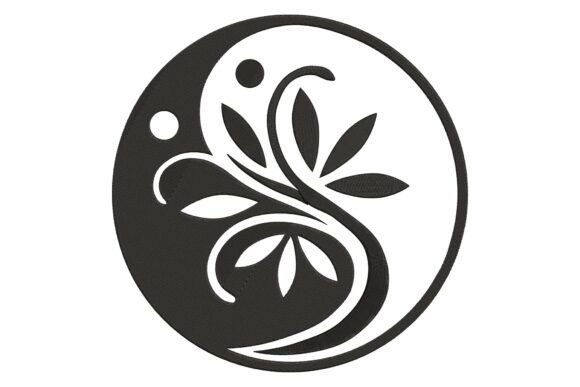
Yin Yang Tree: A Designer’s Review for Boutique Apparel
As an embroidery designer who spends countless hours digitizing and testing files for client collections, I am always on the lookout for designs that bridge the gap between spiritual symbolism and modern aesthetic appeal. When I recently browsed the Creative Fabrica embroidery marketplace, the Yin Yang Tree design caught my eye immediately. It sits within the Outline Flowers category, yet it offers much more than simple floral decor. For those of us running small clothing brands or Etsy shops, finding a machine embroidery design that feels both timeless and trendy is crucial. This review breaks down how this specific piece performs when applied to real-world boutique apparel, specifically focusing on sweatshirts, hoodies, and lifestyle accessories.
First Impressions: Visual Personality and Stitching Mood
The first thing you notice about the Yin Yang Tree is its balanced composition. The interplay between the swirling roots and branches creates a natural flow that mimics the traditional Yin Yang symbol without being overly literal or cliché. From a design judgment perspective, the visual personality here is serene, grounded, and slightly rustic. It does not scream for attention with loud, saturated blocks of color; instead, it invites closer inspection. The detail level is moderate, offering enough intricacy to look premium on a finished product while avoiding the excessive stitch density that can cause puckering on lighter fabrics.
The stitching mood feels organic and fluid. For a boutique brand aiming for a "slow fashion" or mindful living vibe, this design fits perfectly. It feels less like a graphic print and more like a piece of art stitched directly into the fabric. Whether you are aiming for a feminine, soft aesthetic or a gender-neutral, minimal look, the organic lines of the tree adapt well. It is not overly cute or playful, nor is it aggressively bold. It sits comfortably in the classic, elegant range, making it a versatile asset for a diverse product line.
Application on Sweatshirts and Hoodies
My primary test case for this design was a collection of neutral-toned sweatshirts and pastel hoodies. Sweatshirt embroidery requires careful consideration of fabric texture and stretch. The Yin Yang Tree performs exceptionally well on mid-weight fleece. Because the design utilizes outline-style elements, it does not create a heavy, stiff patch on the chest. This is vital for comfort, especially in oversized garments where drape is key.
For hoodie chest placement, I found that scaling the design to approximately three to four inches wide maintained clarity without overwhelming the garment. The branches extend gracefully, allowing for creative positioning. If you are working with dark apparel, such as charcoal or navy hoodies, using contrasting thread colors like cream, sage green, or muted gold can make the design pop subtly. On pastel hoodies, tonal stitching—using a thread shade slightly darker than the fabric—creates a sophisticated, understated look that appeals to buyers seeking minimalist luxury.
I also experimented with sleeve accents. Placing a smaller version of the tree near the cuff adds a unique touch that distinguishes a handmade product from mass-produced items. However, one must be cautious with curved surfaces. The ribbed fabric of a cuff can distort intricate details. In my tests, ensuring a strong cut-away stabilizer was non-negotiable to maintain the integrity of the branches on stretchy areas.
T-Shirts and Lightweight Fabrics
Transitioning to t-shirt embroidery presents different challenges. The fabric is thinner and more prone to wrinkling under the needle. Here, the open nature of the Yin Yang Tree works in your favor. Unlike dense fill designs, this outline-based artwork allows the fabric to breathe. When stitching on cotton tees, I recommend using a lightweight tear-away stabilizer and testing on scrap fabric first. The goal is to avoid any visible hoop marks or stiffness around the design. For dark garments, ensure your thread color contrast is sufficient, but remember that high-contrast white thread on black cotton can sometimes look too stark. Earth tones often blend more harmoniously with the tree motif.
Versatility Beyond Apparel: Totes and Home Decor
While my focus was apparel, the product description notes suitability for tote bags, cushions, and table linens. I tested the design on a canvas tote bag, and the results were impressive. The sturdy fabric of a tote handles the stitch density effortlessly, allowing the detailed roots and branches to stand out clearly. This makes the Yin Yang Tree an excellent candidate for bundle offers in an online shop. Pairing a embroidered hoodie with a matching tote bag creates a cohesive lifestyle product line that increases average order value.
For home decor, such as cushion covers, the design adds a touch of elegance without dominating the room. It works particularly well on natural linen or cotton blends, enhancing the rustic, organic feel. These applications are perfect for expanding your catalog beyond clothing, appealing to customers who want to bring that same sense of balance and calm into their living spaces.
Brand Identity and Commercial Value
Using a distinctive design like the Yin Yang Tree can significantly impact your brand identity. In a saturated market, visual consistency and professional presentation are key to building buyer trust. This design helps establish a narrative of mindfulness and quality. When used in social media graphics or printable mockups, the intricate lines photograph beautifully, catching light and shadow in a way that flat prints cannot. This visual depth encourages engagement on platforms like Instagram and Pinterest, driving traffic to your Etsy listings or independent website.
For the commercial embroidery sector, this design offers flexibility. It is not tied to a specific season, meaning it can be sold year-round. However, it resonates strongly with cozy seasonal outfits in autumn and winter. By positioning it as a staple in your boutique merchandise, you create a recognizable signature piece. Customers begin to associate that specific tree motif with your brand’s values, fostering loyalty and repeat purchases.
Practical Embroidery Designer Notes
Before launching any collection featuring this digital embroidery file, there are several technical steps you must take. First, always check the specific product details on Creative Fabrica. While the description mentions it is perfect for various projects, it does not explicitly list stitch count, file formats, or exact hoop size compatibility in the brief summary provided. You must confirm these details before production. Ensure your machine supports the file format provided (such as PES, DST, or JEF) and that the design fits within your standard hoop size without excessive resizing, which can distort stitch angles.
- Test on Scrap Fabric: Never stitch directly on your final garment. Use scraps of the exact same material to test tension and registration.
- Stabilizer Choice: For fleece and hoodies, use a soft cut-away stabilizer to prevent distortion over time. For wovens like tote bags, a tear-away may suffice.
- Thread Color Contrast: Map out your thread colors digitally before stitching. The interplay of light and dark threads can enhance the Yin Yang concept.
- Inspect Stitch Density: Zoom in on the digitized file to check for potential jumps or dense clusters that might need editing.
- Licensing: Verify the license terms on Creative Fabrica. Ensure you have the right to sell finished physical products, especially if you are a small shop product creator or Etsy seller.
In conclusion, the Yin Yang Tree is a robust, aesthetically pleasing addition to any embroidery designer’s library. It balances artistic flair with technical practicality, making it ideal for boutique apparel and accessory lines. By paying attention to fabric choice, stabilizer selection, and placement, you can elevate this design from a simple pattern to a centerpiece of your brand’s identity.